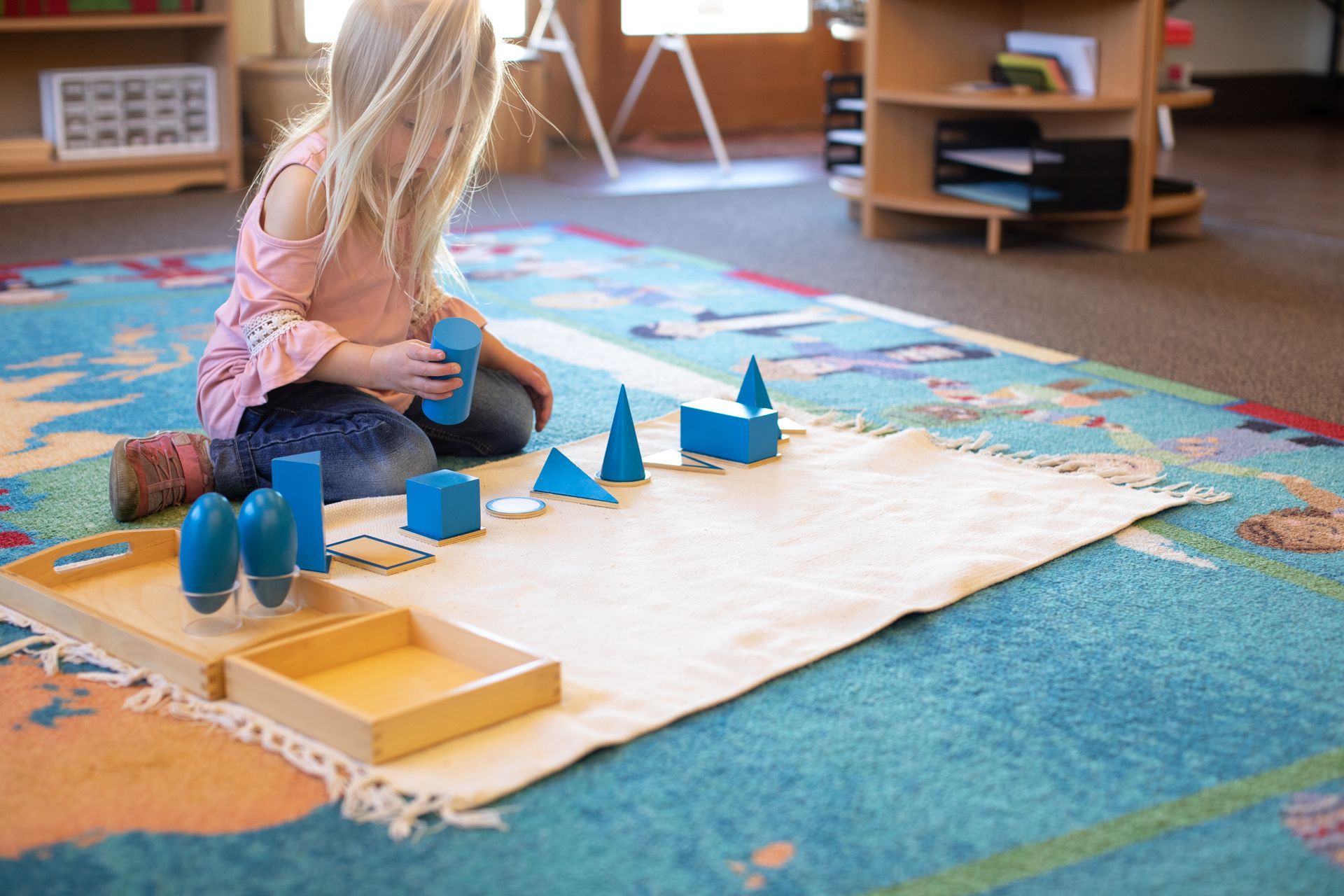

Have you ever walked past a classroom at Mission Montessori Academy and seen the children working intently while a guide quietly sits in a corner with a clipboard? Rest assured, that guide is working just as intently as the children.
Montessori classrooms rely heavily on the art of observation. We welcome and encourage families to see this practice in action or even try it themselves during a classroom visit.
Why We Observe
Dr. Maria Montessori was both a scientist and a physician. Her background allowed her to view child development through a unique lens. Scientific observation inspired her initial educational research, and it remains the bedrock of everything we do today.
At Mission Montessori Academy, our guides rely on observation to understand each child's individual path, gain insight into developmental phases, prepare the learning environment, and assess mastery—all without the need for traditional testing.
1. Planning Individualized Lessons
Montessori guides undergo extensive training in child development. While traditional education programs often treat child psychology as a single course, developmental science is the foundation of our daily practice.
Practiced guides recognize subtle cues that signal a child is transitioning into a new plane of development:
- Toddler to Primary: A child who has mastered toileting and spends sustained periods with Practical Life materials shows the readiness needed for the Primary environment.
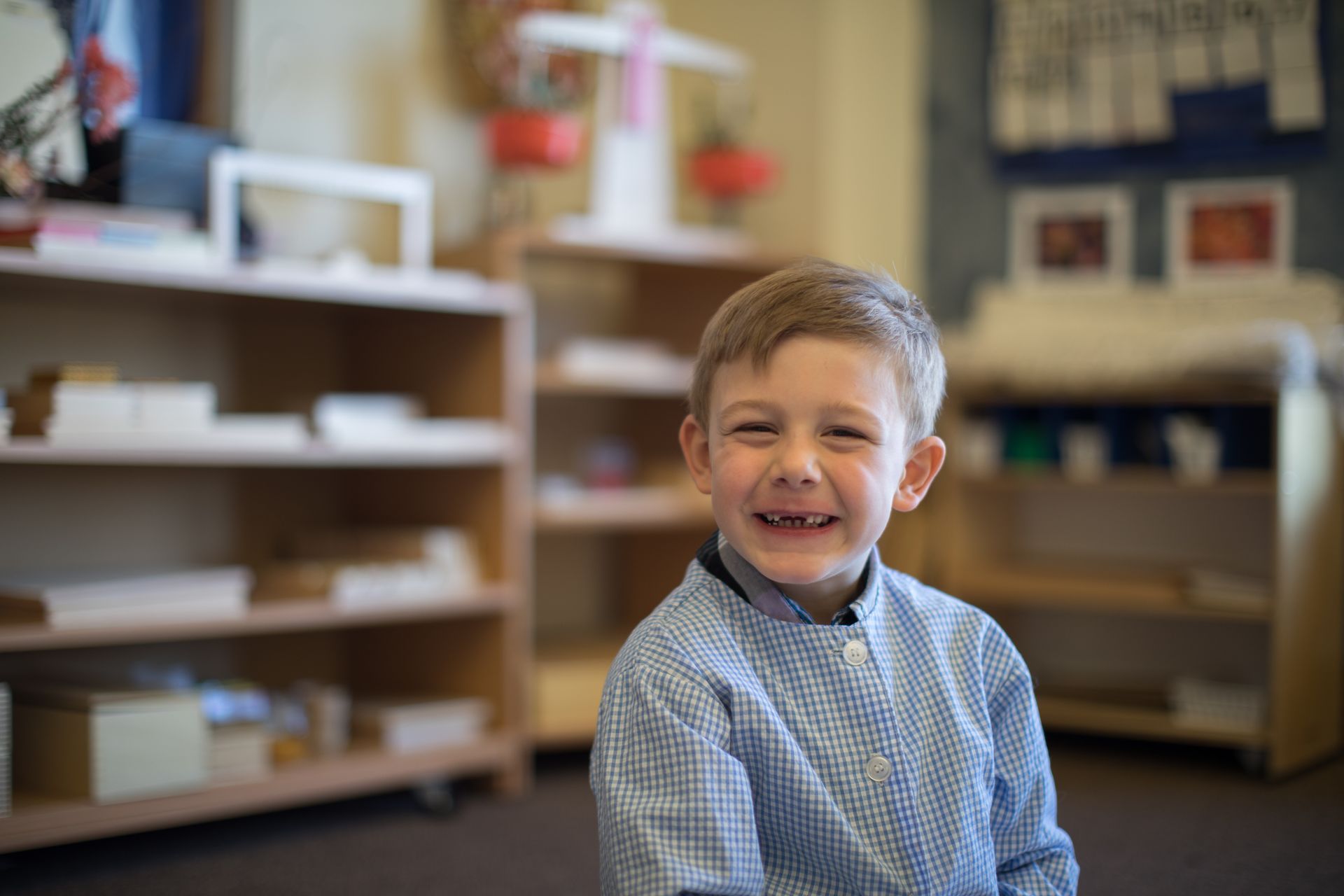
- Primary to Elementary: A child nearing age six who loses a baby tooth and displays a deep motivation for peer interactions is entering the second plane of development. They will respond eagerly to cosmic education, storytelling, and cultural studies.
Observation allows the guide to identify a child’s sensitive periods—windows of opportunity when a child is uniquely wired to master specific skills with joy and ease.
2. Ensuring the Environment Serves the Child
While the guide facilitates learning, the prepared environment serves as the primary teacher. It is our responsibility to maintain a classroom that inspires focus, fosters independence, and ensures safety and comfort.
During observation, guides evaluate the environment continuously:
- If a piece of furniture disrupts the natural flow of movement, it is repositioned.
- If multiple children prefer floor work, the guide ensures enough work rugs are available.
- If a material remains untouched for weeks, the guide reflects on whether it needs to be re-presented, relocated, or temporarily rotated out.
Every object on our shelves exists with clear intent. If it no longer serves the children, we observe, reflect, and adapt.
3. Authentic Assessment
The word assess originates from the Latin assidere, meaning "to sit beside."
We do not measure progress with quizzes or standard worksheets. Instead, we observe skills in action:
- When a child independently places tile numbers in sequence on a hundred board, we observe true mastery of numerical order.
- When a child controls a pencil with precision while tracing metal insets and shows confidence with sandpaper letters, we know they are prepared for written work on paper.
Observational assessment provides concrete, real-time insights that directly inform the next step in a child's learning journey.
What Observation Looks Like in the Classroom
Formal Observations
Guides set aside dedicated time each day for structured observation, typically ranging from 15 to 30 minutes. Sitting quietly with a notebook, the guide records objective details about movement, concentration, choices, and social interactions.
Children learn early on to respect this time and leave the observing adult undisturbed. In some classrooms, a specific chair or clipboard signals to the children that the guide is observing. Notes are strictly factual; interpretations and lesson planning take place after the observation period ends.
Informal Observations
Throughout the work period, guides gather continuous observational data in the moment—while walking across the room, offering a presentation, or supporting a transition. These small moments yield rich insights into each child’s daily experiences and growth.
Visiting and Observing as a Parent
Whether you are exploring enrollment at Mission Montessori Academy, preparing for your child’s transition to the next program level, or simply curious about Montessori practice, observing a classroom is one of the most insightful experiences available to you.
When visiting a classroom, the goal is to observe the community natural and undisturbed:
- Enter Quietly: Unlike typical social settings, we ask visitors not to announce themselves or offer general greetings upon entering.
- Take a Seat: An adult or child ambassador will quietly direct you to an observation chair.
- Minimize Distractions: If a child approaches to greet you, offer a brief, warm response, then allow them to return to their work. Sitting quietly with a notebook helps the children forget you are there, preserving their natural focus.
- Depart Gently: When your observation time ends, you may slip out quietly without formal goodbyes.
Questions to Guide Your Observation:
- In what ways are the children demonstrating independence?
- How do children select their work materials?
- What do transitions between activities look like?
- How do adults and children interact and communicate with one another?
- How do children care for their basic needs and their shared environment?
- What elements of the classroom layout or culture surprise you?
Bringing Observation Home
You can easily adapt Montessori observation practices in your home environment:
- Step Back During Play: Resist the impulse to direct or manage your child's play. Sit nearby and simply watch. You may discover unexpected interests, problem-solving strategies, and emerging capabilities.
- Pause Before Assisting: When a minor spill or struggle occurs, pause before stepping in. If your child asks for help, offer the minimum assistance needed. Frequently, children prefer to solve the issue themselves when given the time and space to try.
- Observe Developmental Patterns: Paying quiet attention to your child's sleep, eating, social cues, and emotional rhythms helps you adapt your home environment to support their growing independence.
Slowing down to observe allows us to appreciate who our children are in the present moment, guiding them with clarity, respect, and intent.