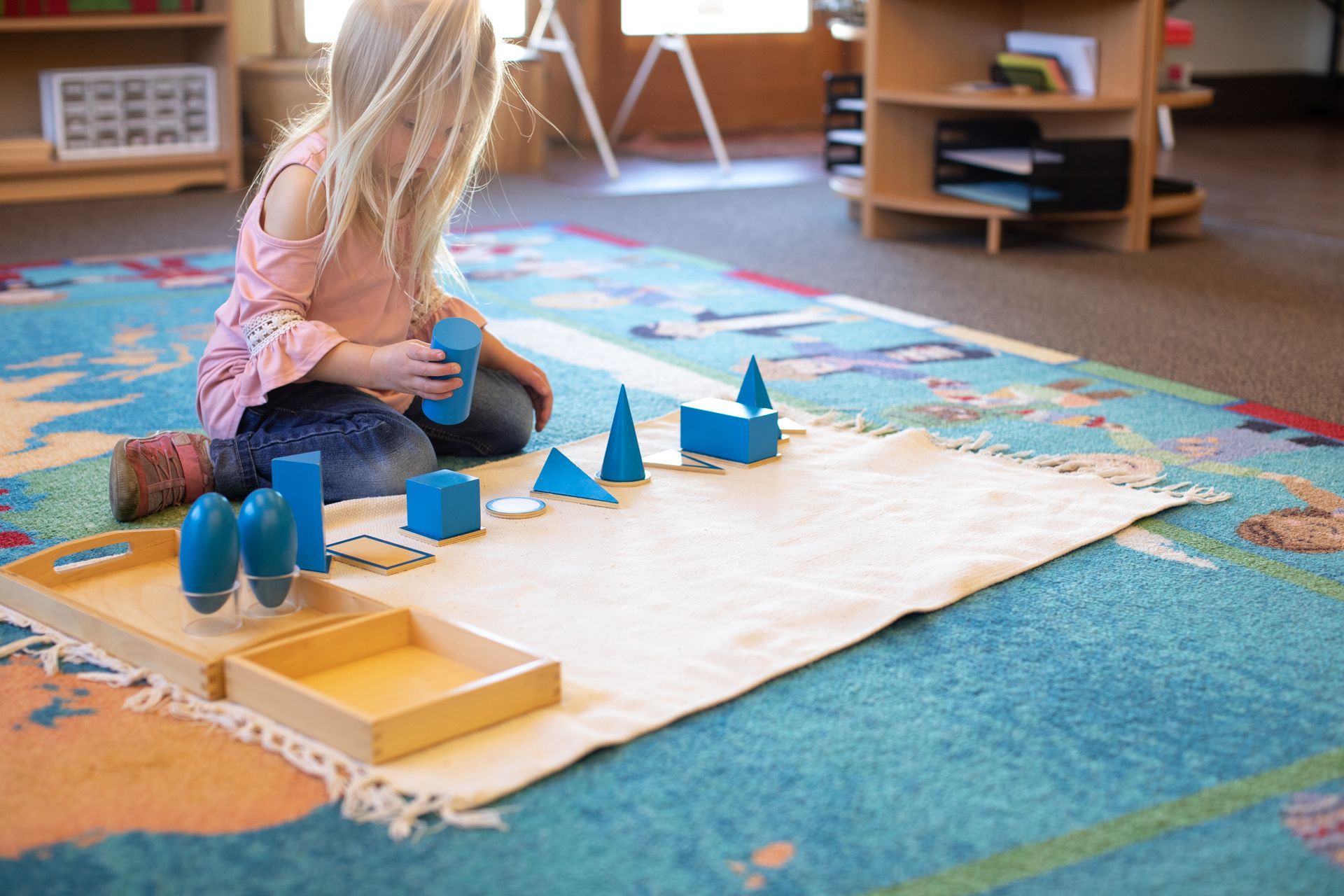

If you are exploring this page, you likely already appreciate the profound impact of a Montessori education. Whether through personal experience, stories from other families, or your own research, you recognize that Montessori is far more than an academic framework—it is a child-centered approach designed to nurture independent, compassionate, and resilient human beings.
At Mission Montessori Academy, we believe the principles of Montessori have the power to create lasting, positive change in our communities. Dr. Maria Montessori was a lifelong advocate for peace, equity, and dignity for all individuals, regardless of age or ability. To fully honor her vision, we must continuously reflect on how we can make this approach more accessible, inclusive, and reflective of the diverse world our children will lead.
Grounded in Advocacy: How Montessori Began
It is often forgotten that Dr. Montessori’s foundational work began with children whom society had largely cast aside.
At the turn of the twentieth century, as one of Italy’s first female physicians, Dr. Montessori took charge of the Orthophrenic School in Rome. The children residing there lived in unstimulating environments, isolated because their neurodivergence, learning differences, or physical disabilities were not understood by conventional medicine.
Dr. Montessori and her colleagues refused to accept these limitations. Through rigorous scientific observation, they developed hands-on, sensory-rich materials and practical life exercises tailored to the children's actual developmental needs. The results were transformative: children who had been deemed unable to learn mastered daily practical skills, gained deep independence, and eventually performed on par with their peers on standard academic evaluations.
Building on these insights, Dr. Montessori opened the first Casa dei Bambini (Children’s House) in 1907 in San Lorenzo, a low-income district of Rome. The school provided a safe, rich environment for young children whose parents worked long hours. Dr. Montessori worked closely with families, sharing insights about child development and home support. The impact was immediate and community-wide—fostering respect, pride, and elevated educational outcomes across entire neighborhoods.
The Landscape of Montessori Today
Today, there are over 20,000 Montessori schools globally, including approximately 5,000 in the United States. While the majority operate as independent, tuition-based schools, approximately 10% are free public or charter programs.
Both models offer unique strengths and face distinct challenges:
- Independent Schools: Unbound by rigid district testing mandates, independent schools like Mission Montessori Academy can maintain high-fidelity Montessori environments, mixed-age communities, and uninterrupted work periods. However, relying on tuition creates inherent financial barriers for many families.
- Public Montessori Programs: Public options offer tuition-free access, broadening reach significantly. Yet, public educators often face ongoing hurdles navigating standardized testing requirements, strict district schedules, and rigid curriculum constraints that can compromise authentic Montessori implementation.
At Mission Montessori Academy, we recognize that true educational equity requires sustainable systems, active outreach, and intentional financial accessibility initiatives so that more children can benefit from a high-quality prepared environment.
Organizations Leading the Movement for Greater Access
Across the country, dedicated organizations are building frameworks to make authentic Montessori education accessible to all families:
Montessori for Social Justice (MSJ)
MSJ supports the creation of sustainable, equitable learning environments designed to dismantle systemic barriers, amplify underrepresented voices, and cultivate human potential. Their annual conferences and educator networks focus on integrating anti-bias, anti-racist (ABAR) practices into Montessori classrooms.
National Center for Montessori in the Public Sector (NCMPS)
NCMPS is an independent non-profit providing tools, teacher training, and operational support to public Montessori schools nationwide. They offer valuable resources for educators working to maintain high-fidelity Montessori practices within public school frameworks (montessoripublic.org).
Wildflower Schools
Wildflower is a decentralized network of small, neighborhood-based microschools—often just one or two classrooms led directly by teacher-leaders. This model embeds authentic Montessori environments directly within diverse local neighborhoods, creating tight-knit school communities that blend accessibility with high educational standards.
How We Can Work Together to Expand Access
Building an inclusive, sustainable educational model requires continuous partnership among educators, leadership, and families. Here is how our community can take meaningful action:
- Maintain High-Fidelity Standards: True accessibility means offering an authentic, uncompromised Montessori experience. We remain dedicated to certified Montessori guides, fully prepared environments, and multi-age classrooms that foster genuine mastery and self-regulation.
- Support Our Financial Aid Initiatives: Mission Montessori Academy is committed to expanding our scholarship opportunities. Contributions to our financial aid fund directly support families who seek a Montessori education for their children but face financial constraints.
- Advocate for Child-Centered Educational Policies: Support local educational initiatives, public policy measures, and community grants that give schools the flexibility to implement progressive, individualized learning models.
- Foster Inclusive Community Practices: We welcome every family into our community with warmth and respect, ensuring our school culture mirrors the principles of grace, courtesy, and peaceful cooperation we teach our children daily.