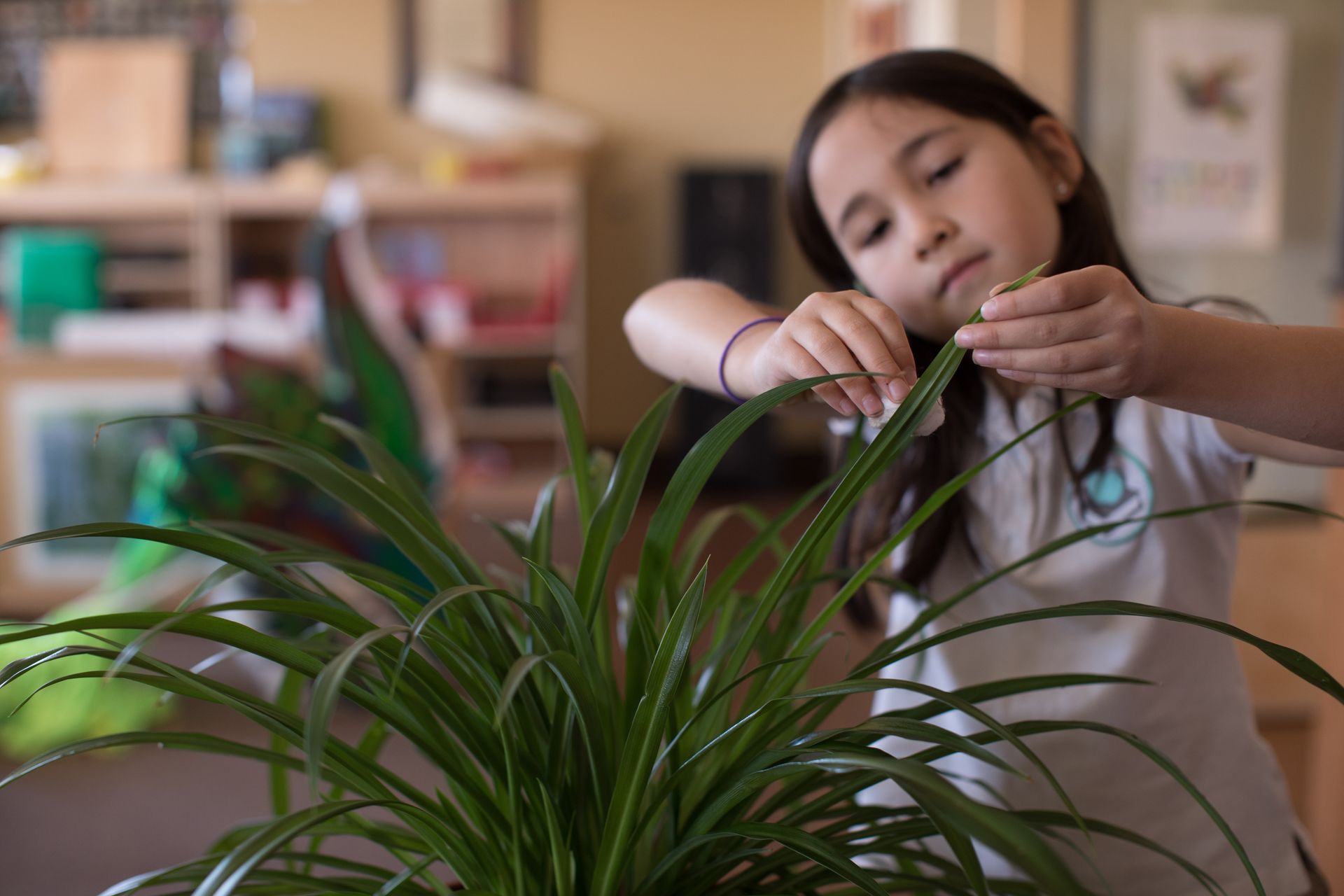
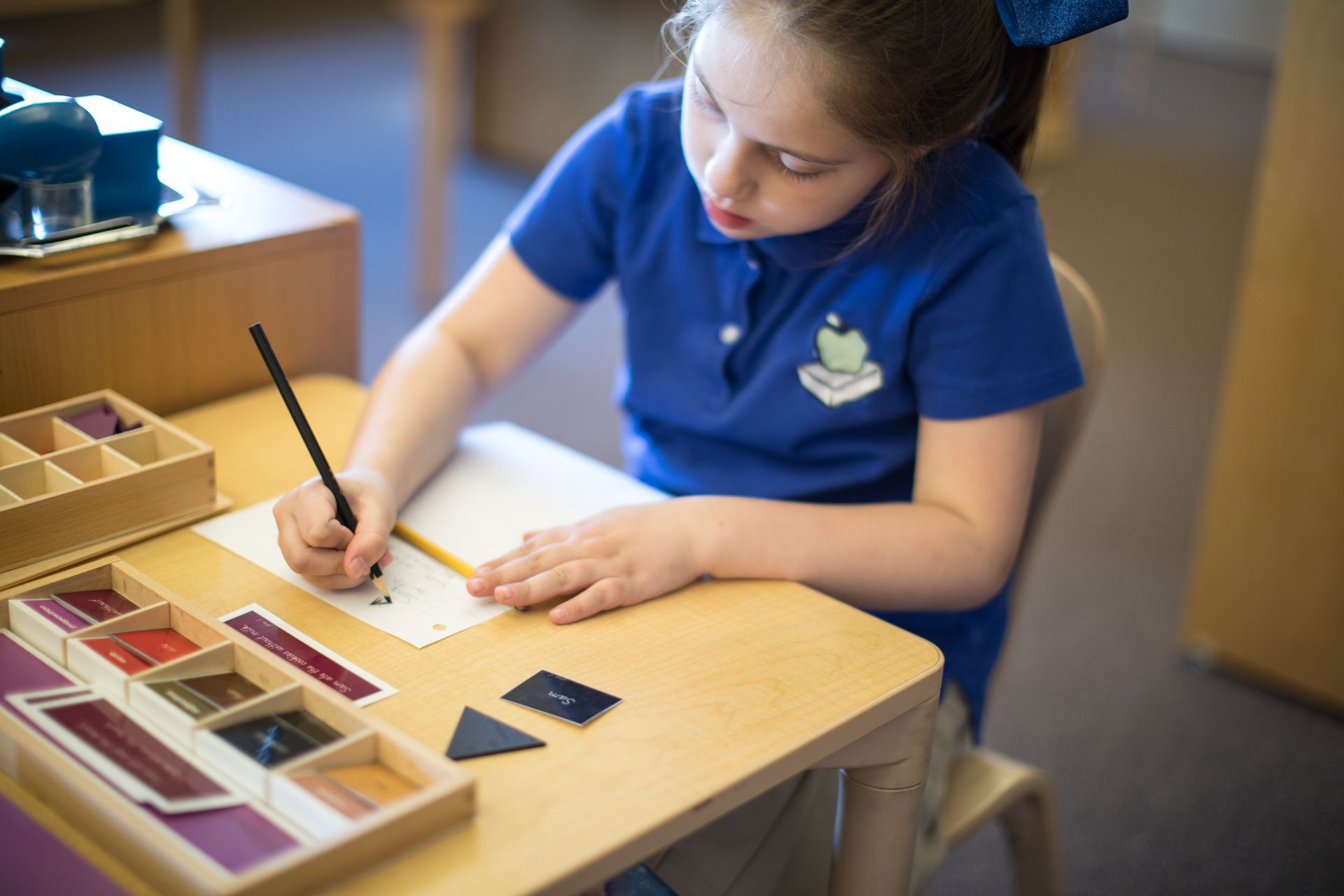
Think of a time you chose to do an activity simply because you wanted to—perhaps quietly weeding your garden, losing yourself in a good book, taking a crisp autumn walk, or thoughtfully rearranging a room. Your drive came entirely from within. In those moments, the work itself provided pure joy, deep satisfaction, or a meaningful sense of purpose. This is the heart of intrinsic motivation: engaging in an activity because it is deeply rewarding in its own right, rather than to earn a prize or avoid a consequence.
Now, imagine those exact same activities driven by external pressure: weeding out of stress over neighborhood guidelines, reading a book for a mandatory group, or walking solely to log points for a workplace competition. The entire experience shifts. When external factors drive us, the joy of the work often fades.
At Mission Montessori Academy, we intentionally cultivate an environment where a child’s internal drive can thrive.
Why Intrinsic Motivation Matters
In a Montessori environment, we intentionally step away from gold stars, sticker charts, and arbitrary punishments. Instead, we offer children the space to discover their own internal drive. Intrinsic motivation relies on three core human needs:
- Autonomy: The freedom to act independently and make meaningful choices.
- Purpose: Knowing that one’s efforts have real value in the classroom community.
- Mastery: Experiencing the personal joy of practicing a skill until it is conquered.
When children develop these capabilities, they build emotional intelligence and a lasting growth mindset. They begin to view mistakes not as failures, but as natural stepping stones in the learning process. Educational researchers often call this quality cognitive hardiness—the inner resilience to tackle difficult tasks, adapt to setbacks, and keep trying simply for the thrill of growth.
The Hidden Cost of Extrinsic Rewards
Extrinsic motivators surround children every day—ranging from sticker charts, grades, and constant adult praise ("Good job!") to time-outs and public reprimands.
While rewards might seem effective in the moment, research shows they fail to create lasting character or a genuine love of learning:
- Uncertainty and Hesitation: Studies by researcher Mary Budd Rowe showed that students who were lavishly praised by teachers were actually less likely to persevere through difficult tasks and backed away from their ideas the moment an adult questioned them.
- Reduced Generosity: Research from the University of Toronto revealed that young children who were frequently praised for sharing actually became less generous in everyday interactions over time.
When we constantly offer external praise, an action stops being valuable in its own right. Instead, sharing or completing a task becomes a transaction to earn adult approval. Over time, this shifts a child's focus away from self-satisfaction and creates a dependency on external validation.
A Foundation for Life
When children are intrinsically motivated, they choose to do good work because it feels meaningful and right. They take deep, quiet pride in their own accomplishments.
Most importantly, when faced with a challenging day or a complex piece of work, intrinsically motivated children do not give up easily. They rely on their internal resilience, trust in their own abilities, and view challenges with curiosity rather than fear. This mindset stays with them long after they leave our classrooms, serving as a steady foundation for a fulfilling, self-directed life.
Experience Intrinsic Motivation in Action
Interested in seeing how our child-centered environments nurture independent, driven learners? We invite you to
schedule an observation and witness our vibrant community firsthand.