Let’s face it—parenting is hard. On exhausting days, things can feel significantly easier when our children are settled with an iPad, phone, or tablet. Add in the common belief that children need early digital skills or that technology is simply how kids connect today, and the pull toward more screen time becomes overwhelming.
Yet, as parents and educators, we have to ask: Is this really what best serves their development?
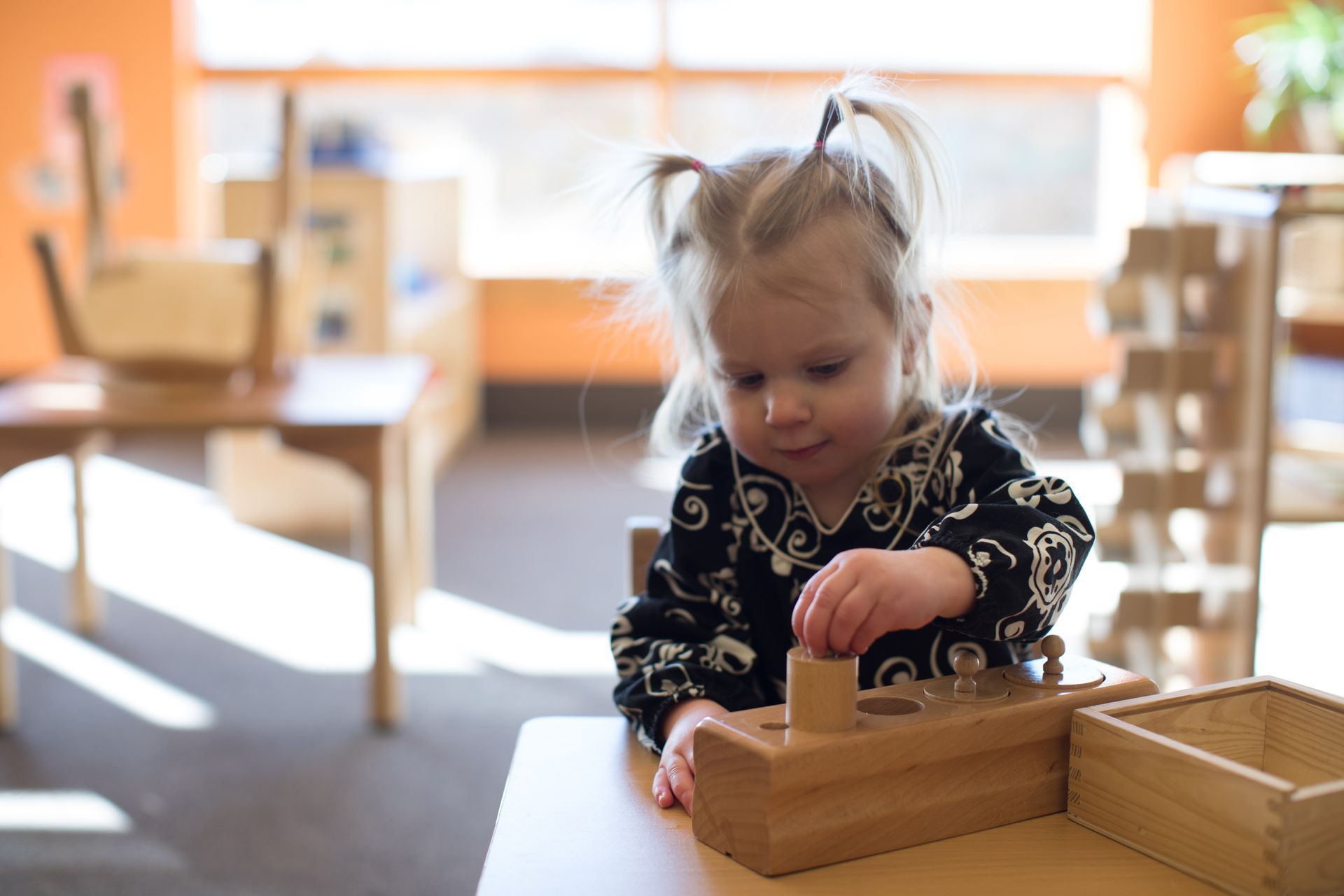
Research continues to validate what Montessori educators have observed for decades: young children thrive through concrete, sensory-rich experiences, movement, and real-world human connection. A study from the Journal of the American Medical Association (JAMA) found that higher screen time in one-year-olds was associated with developmental delays in communication and problem-solving at ages two and four.
As children grow, the impact shifts. In his book The Anxious Generation, social psychologist Jonathan Haidt details how replacing a play-based childhood with a phone-based childhood has contributed to a dramatic decline in youth mental health. Haidt argues that hyper-connectivity, paired with reduced opportunity for real-world independent play, leaves children feeling fragmented, disconnected, and overstimulated.
What Children Notice About Their Own Screen Use
Interestingly, when adults create a safe space to discuss technology without judgment, children are remarkably self-aware. When asked about their devices, children often observe that:
- They feel disconnected from family and friends when absorbed in a screen.
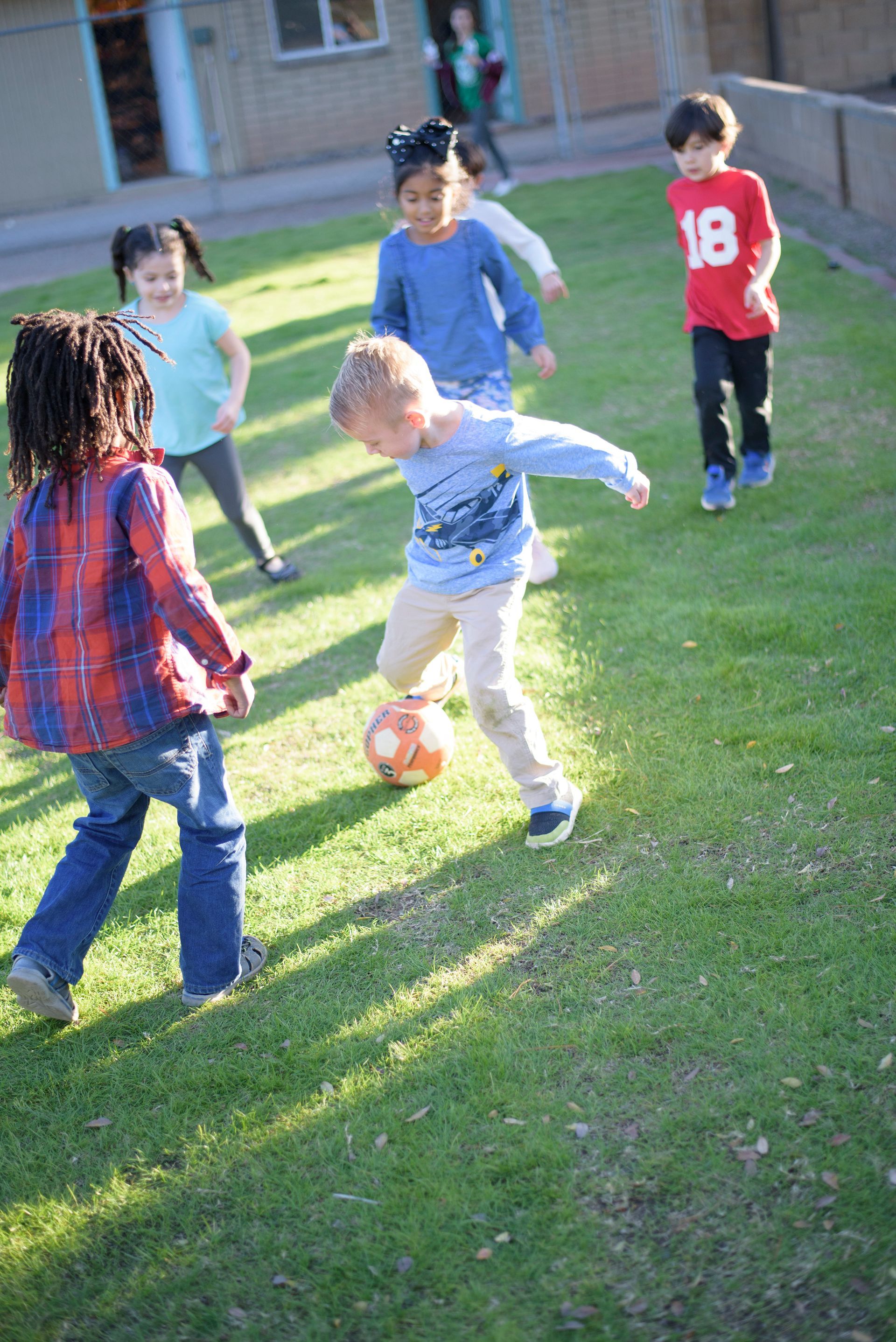
- Time spent outside or moving physically makes them feel noticeably better.
- Extended screen time often leads to irritability, headaches, or difficulty falling asleep.
- Experiencing "screen brain" makes it hard to transition smoothly back into daily life.
Many children even recognize that while turning to a screen seems like an easy way to soothe a bad mood, it rarely works—and a walk outside or real-world activity leaves them feeling far more refreshed.
During international Screen-Free Week, families who participated reported remarkable transformations. Parents observed that their children were kinder, better able to self-regulate, and more deeply engaged in their daily work and play. Children themselves shared that they spent more time reading, connected more with family, and rediscovered the simple joy of outdoor exploration.
Bringing the Montessori Approach Home: Practical Next Steps
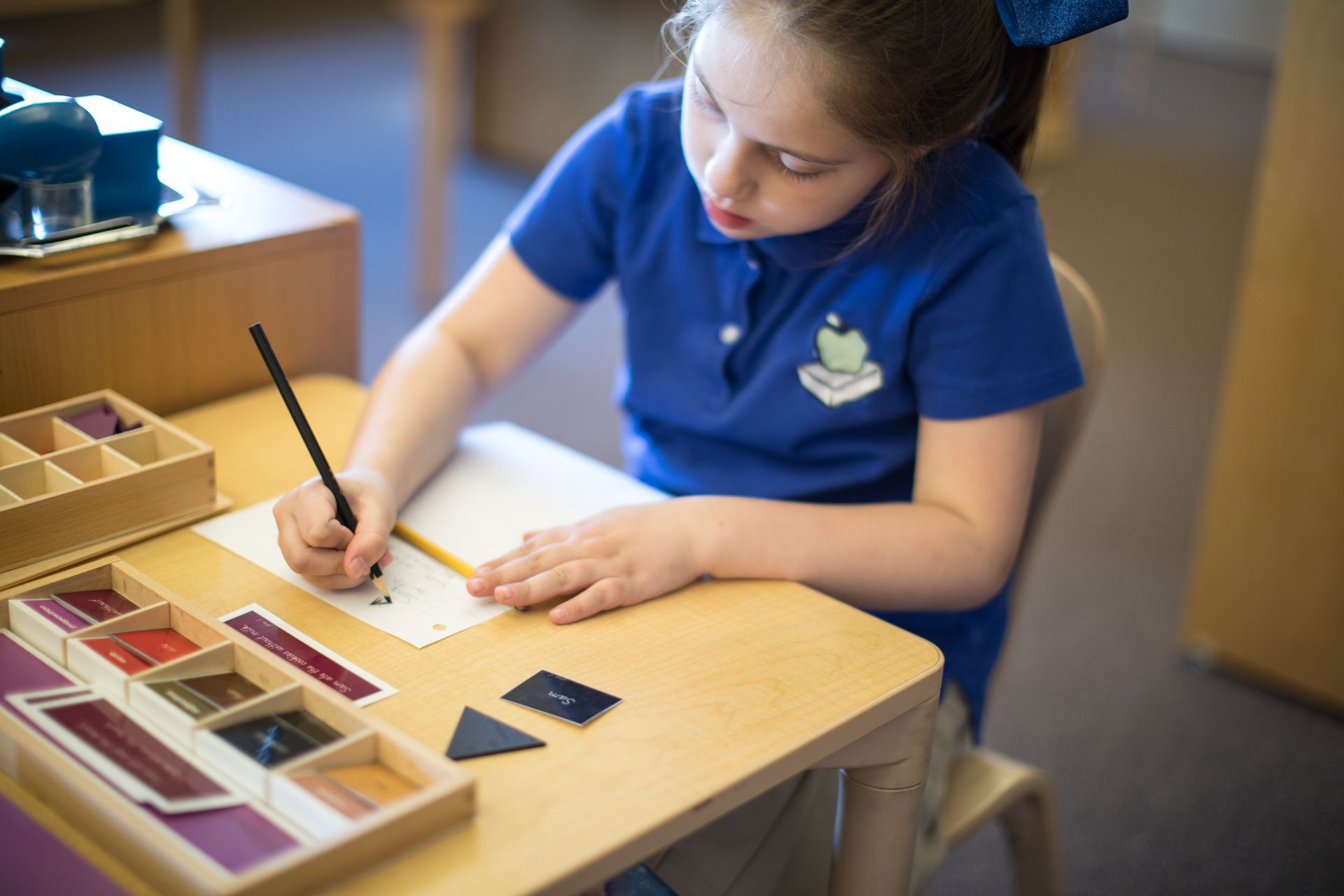
In a Montessori environment, we carefully prepare the classroom environment to encourage concentration, independence, and purposeful physical work. We can apply these same principles when thoughtfully establishing healthy boundaries around screen time at home.
Because technology is so deeply integrated into modern life, shifting household habits can feel daunting. Here are a few clear, sustainable ways to begin:
1. For Younger Children: Set Loving, Consistent Boundaries
Young children thrive on predictable routines. They rely on us to construct a prepared environment that supports their development.
- State limits clearly and calmly: You might say, "Our home is going to be screen-free during the week so our hands and minds have time to work and play."
- Expect resistance: Children naturally test boundaries to ensure we are consistent. Holding the line with warm, calm authority gives them a feeling of safety and stability.
2. For Older Children: Engage in Collaborative Dialogue
Older children benefit from open, respectful communication where their perspectives are genuinely heard.
- Start a conversation, not a lecture: Ask questions like, "How do you feel in your body after an hour on your phone versus an hour outside?"
- Run a family experiment: Agree to try a low-screen or screen-free week together as a shared project. Set a date to revisit the topic, evaluate what went well, and address what was challenging.
3. Lean on Your Community
You do not have to navigate this journey in isolation. At Mission Montessori Academy, we believe strong partnerships between home and school are essential to raising confident, capable children.
- Connect with school families: Coordinate screen-free playdates, outdoor outings, or nature walks with classmates.
- Establish shared goals: When families in a classroom community align on delayed device entry or shared screen limits, children feel less peer pressure and far more supported.
Protecting the Freedom to Play
Our children deserve environments that honor their developmental needs during these crucial years. While a device may offer temporary quiet, it cannot replace the rich cognitive, physical, and emotional growth that comes from tactile exploration, real-world social interaction, and independent play.
Recommended Resources for Further Reading
A Note From Mission Montessori Academy
In our classrooms, we prioritize a prepared, play- and work-based environment that fosters deep concentration and social connection. If you would like ideas on setting up your home environment to encourage independent play without screens, please feel free to reach out to our team!