Unlike other species born with predetermined behaviors, human infants are born with infinite potential. At birth, we cannot know whether a child will become an expressive musician, an inventive chef, an empathetic leader, or a skilled engineer. Young children are constantly building the foundation of who they will become.
Dr. Maria Montessori observed children through a scientific lens and recognized that this creative developmental work requires a mental process fundamentally different from the conscious adult mind. In The Absorbent Mind, Dr. Montessori observed:
"The child has other powers than ours, and the creation he achieves is no small one; it is everything. Not only does he create his language, but he shapes the organs that enable him to frame the words. He has to make the physical basis of every moment, all the elements of our intellect, everything the human being is blessed with. This wonderful work is not the product of conscious intention."
Long before modern neuroscience confirmed these insights, Dr. Montessori identified how young brains construct understanding and named this special stage of mental development the absorbent mind.
Understanding the Absorbent Mind
Dr. Montessori chose the term absorbent with care. To absorb means to take in and integrate completely into the whole. What is absorbed becomes an intrinsic part of the child's mind and physical brain development.
"Impressions do not merely enter his mind; they form it. They incarnate themselves in him. The child creates his own ‘mental muscles,’ using for this what he finds in the world about him. We have named this type of mentality, The Absorbent Mind."
The absorbent mind is a natural capability of children from birth to approximately age six. During these early years, children absorb their surroundings effortlessly, continuously, and indiscriminately.
The Importance of Prepared Adults
Because young children absorb everything in their environment without filter, our daily actions become their primary blueprint:
- If we want children to sit calmly at the table while eating, we model sitting at the table while eating.
- If we encourage quiet, respectful speaking voices, we speak with quiet, calm tones.
- If we ask children to carry items with two hands, we demonstrate that same care in our own movements.
Children notice and internalize our habits even when we do not realize they are watching.
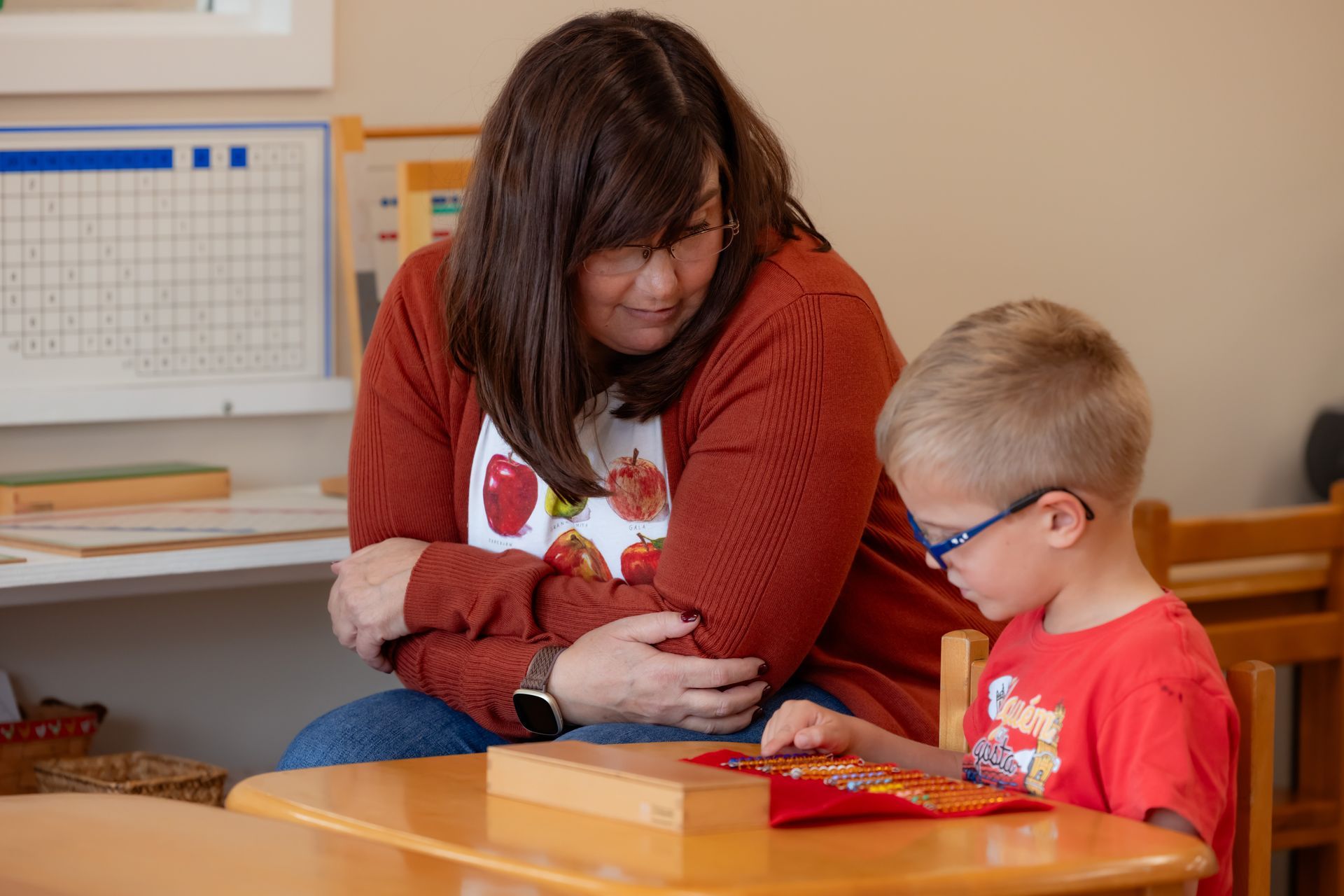
For example, a tall toddler guide in a Montessori classroom would always squat down in front of low shelves to select a material for a lesson. Over time, the guide noticed that the toddlers would walk to a shelf, squat down, and then pick up their chosen material. Though standing was much easier for them at their height, they had unconsciously absorbed every step of the guide's movement pattern.
At Mission Montessori Academy, our guides and staff take great care in how we move, speak, and interact within the prepared environment. When adults have a snack in the classroom, we follow the exact steps expected of the children: washing hands, serving food onto a plate, sitting at the snack table, and cleaning our space afterward.
This shared experience allows us to continually refine our operational systems:
- Are cleaning supplies and dustpans stored at an accessible, logical height?
- Do spray bottles work smoothly for small hands?
- Does the natural flow of the routine support child independence and self-regulation?
Viewing the Environment from the Child’s Perspective
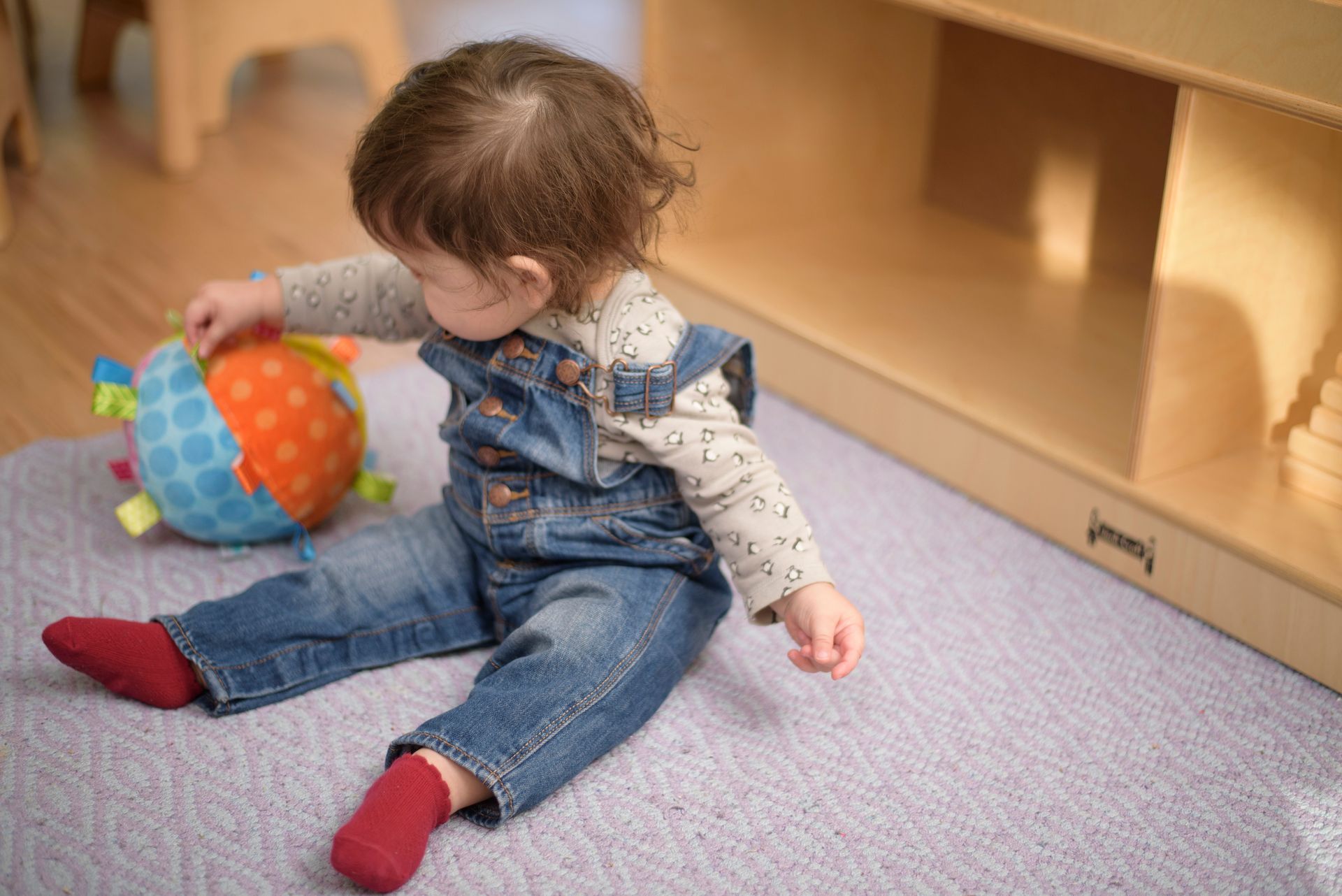
We can better support children at home and at school by evaluating spaces from their physical viewpoint. Kneeling or sitting on the floor offers immediate clarity on what a young child experiences:
- What immediately draws the eye from a child's height?
- Is the space uncluttered, beautiful, and inviting?
- Are materials and daily necessities organized to support independent choice?
By offering calm, consistent adult models and carefully prepared physical spaces, we honor the extraordinary capacity of the young child's absorbent mind.
Connect with Mission Montessori Academy
We invite you to experience our prepared environments firsthand.
Schedule a tour with our admissions team to see how our guides support young children as they construct independence, concentration, and joy in learning.